How to Prepare Your Yard for a Fall Cleanup
Start by deciding what stays, what moves, and how the crew will reach it. A ten-minute access check prevents most delays.
Leaves, branches, brush, and garden debris all load differently. Start with clear photos, a visible path, and a service that fits the material.
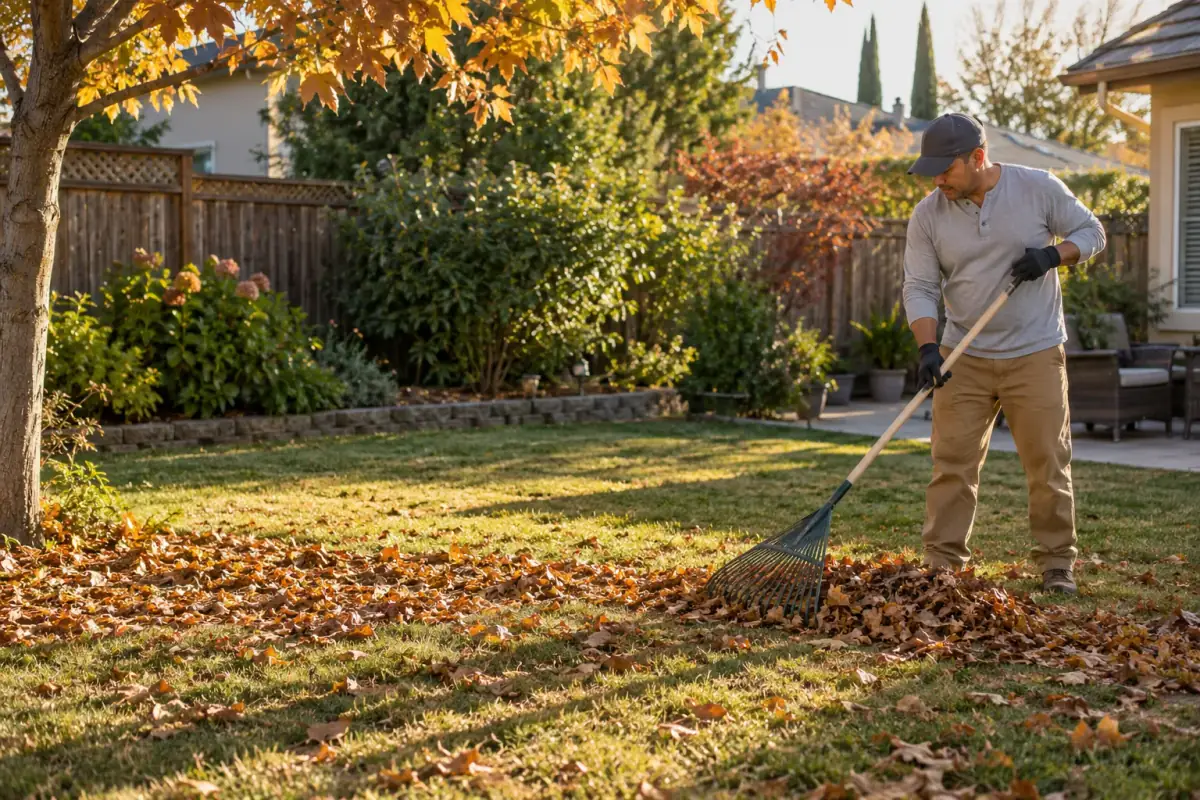
Leaves compress. Brush traps air. Branches depend on length and weight. Garden debris can hide soil, pots, or irrigation parts.
 Fall Yard CleanupSeasonal clearing for leaves, small branches, garden cuttings, and nonhazardous yard debris.↗Leaf RemovalRaking, gathering, loading, and hauling accumulated leaves from lawns, beds, and hardscape edges.↗Yard Waste RemovalRemoval of separated leaves, grass, clean trimmings, weeds, and small woody material.↗Branch & Limb RemovalLoading and hauling of already-cut branches and limbs that can be moved through the available access path.↗Brush RemovalCollection and hauling for cut brush, woody stems, hedge clippings, and dense plant debris.↗Garden CleanupSeasonal clearing of fallen leaves, spent annuals, dry stems, weeds, and loose debris around planted beds.↗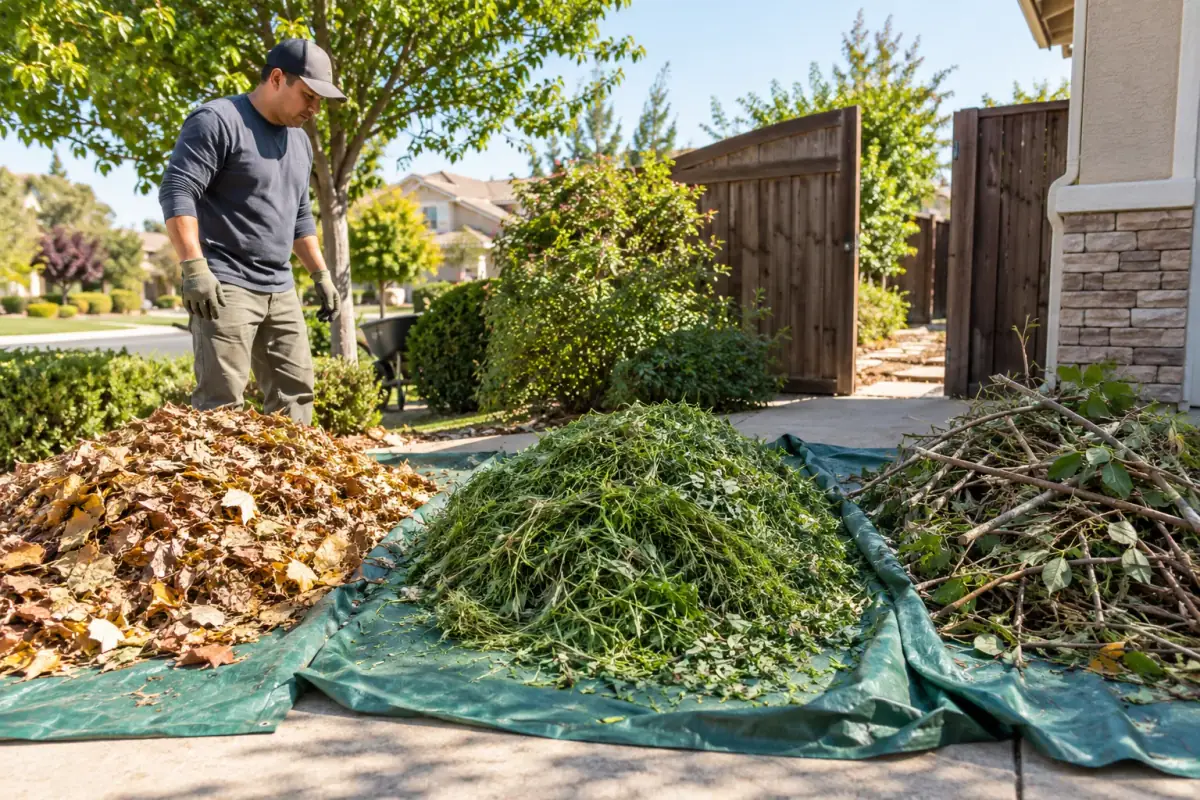
Take one wide view, one close view, and one image of the path to the driveway. If the gate looks tight, include a tape measure.
The material list and access path set the plan. No guesswork, no oversized promises.
Coverage is checked by address. Four nearby areas appear on the parent company’s public service information; other researched cities remain proposed until the owner confirms them.
Start by deciding what stays, what moves, and how the crew will reach it. A ten-minute access check prevents most delays.
A tarp is usually the easiest way to show volume and keep leaves movable. Bags can work when their contents are known; loose curb piles depend on local rules.
Clean yard waste is plant material kept separate from trash and contaminants. Leaves, grass, flowers, weeds, trimmings, and small branches are common examples.
Lay cut ends in one direction, separate oversized pieces, and keep the path from pile to vehicle clear. Do not cut around overhead hazards just to make a pickup possible.
Split brush into soft green cuttings, woody stems, and anything thorny or uncertain. Sorting protects the loading crew and makes the destination rules easier to check.
Share the material, pile size, and access details. Photos make the first estimate more useful.